

Overview
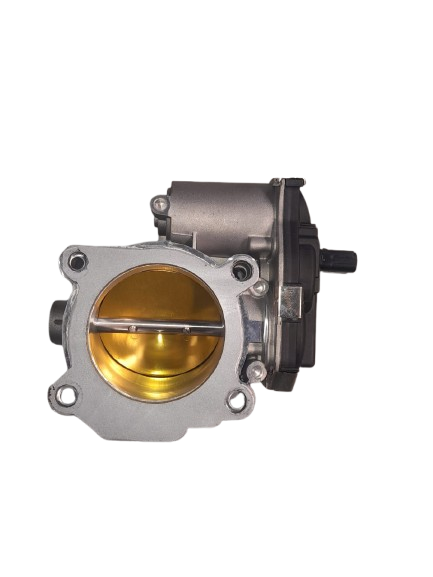
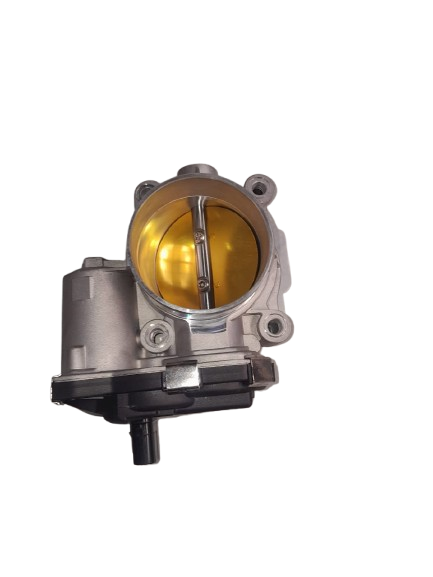
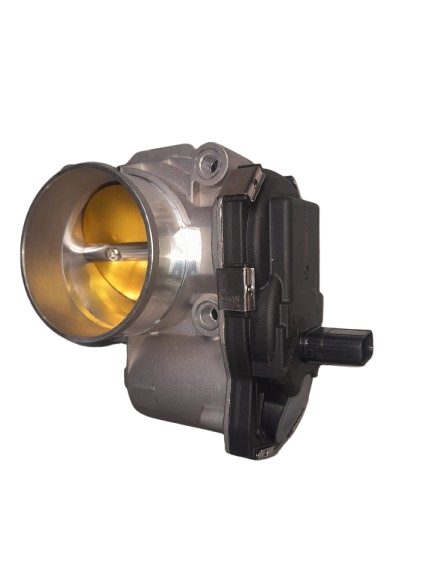
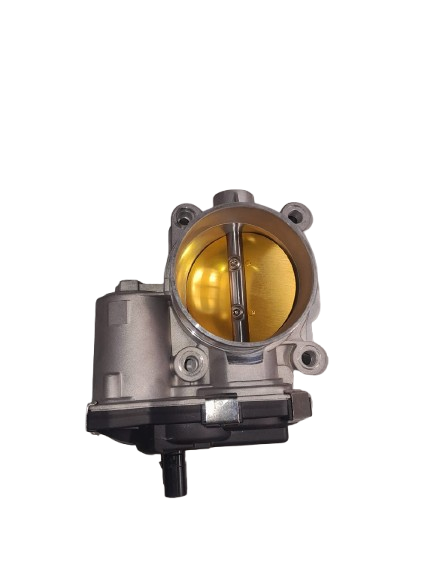
The throttle body of the Chevrolet Captiva equipped with the LE9 2.4L Ecotec engine is a critical component of the vehicle’s air-intake system. Its primary function is to regulate the amount of air entering the engine in response to driver input through the accelerator pedal. As part of a drive-by-wire system, the throttle body works electronically rather than relying on a direct mechanical cable, ensuring improved efficiency, precise control, and smoother engine behavior.
Construction and Design
The LE9 throttle body is typically constructed from high-quality aluminum housing for durability and heat resistance. Inside the body sits a butterfly valve (throttle plate), which rotates to increase or decrease airflow. The unit also contains an electronic throttle control (ETC) motor, along with dual throttle position sensors (TPS) to monitor the angle of the throttle plate. These sensors send information to the engine control module (ECM), which continuously adjusts fuel delivery to maintain optimal combustion.
Function and Operation
When the driver presses the accelerator pedal, the ECM interprets the signal and commands the throttle body motor to rotate the valve to the necessary position. This regulates the airflow entering the engine, which in turn influences power output, idle stability, and fuel efficiency. The LE9 throttle body works harmoniously with the mass air flow (MAF) sensor, oxygen sensors, and fuel injectors to ensure precise air-fuel balance.
Common Symptoms of a Faulty Throttle Body
A malfunctioning throttle body in the Captiva LE9 may cause:
- Rough or fluctuating idle
- Reduced engine power or “limp mode”
- Poor throttle response
- Stalling when coming to a stop
- Check Engine Light with codes such as P0121, P2119, or P2135
Maintenance and Cleaning
Periodic cleaning of the throttle body helps prevent carbon buildup, which can restrict airflow and affect performance. Using a throttle-body-safe cleaner, technicians remove deposits from the valve and bore to restore smooth operation. For electronic units, it’s essential to avoid manually forcing the throttle plate open, as this can damage the internal gears or motor.
Conclusion
The Chevrolet Captiva LE9 throttle body is a vital electronic component that ensures efficient engine breathing and responsive acceleration. Understanding its function, symptoms of failure, and proper maintenance can significantly extend the engine’s performance and reliability.