

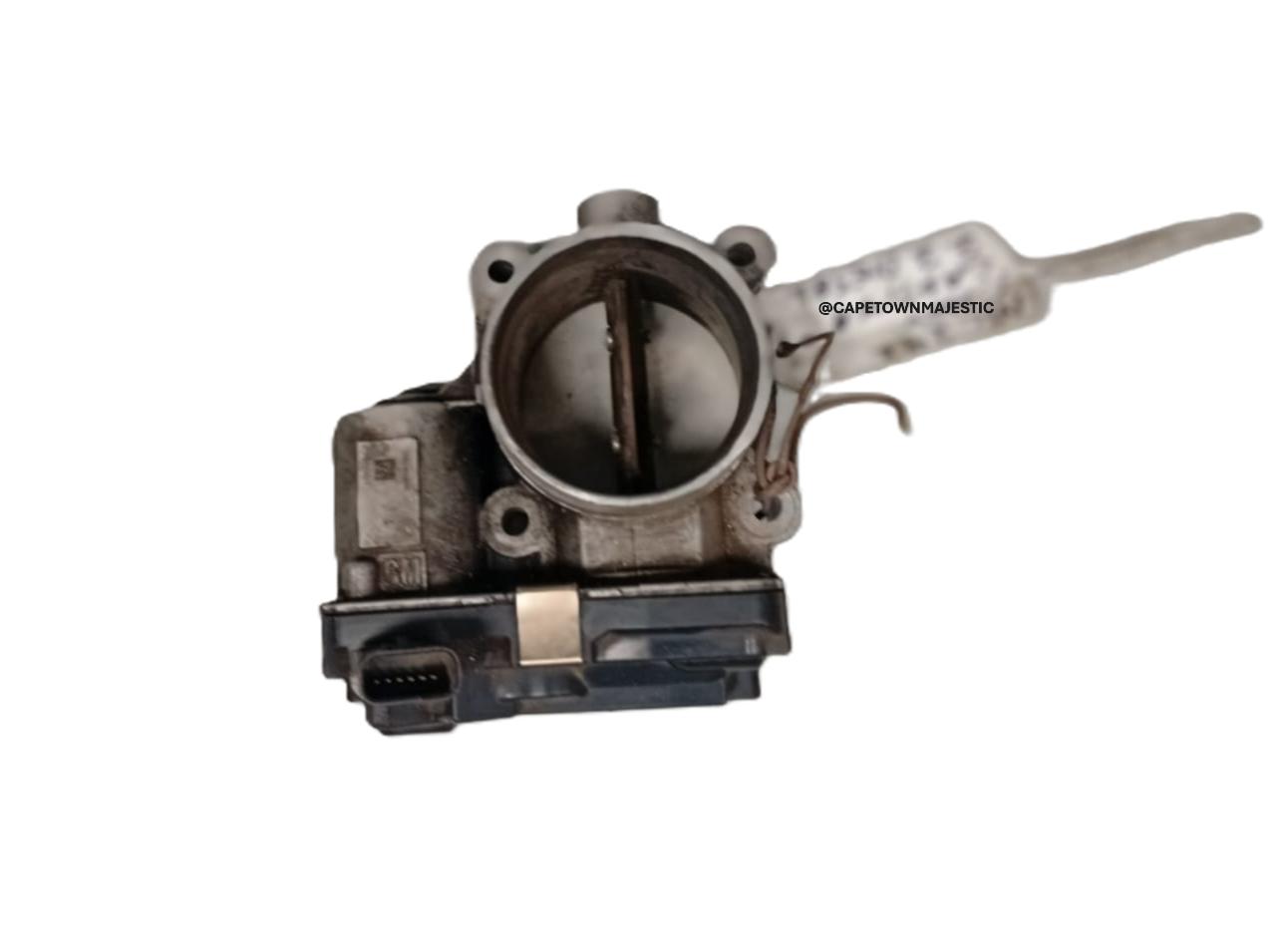
Overview
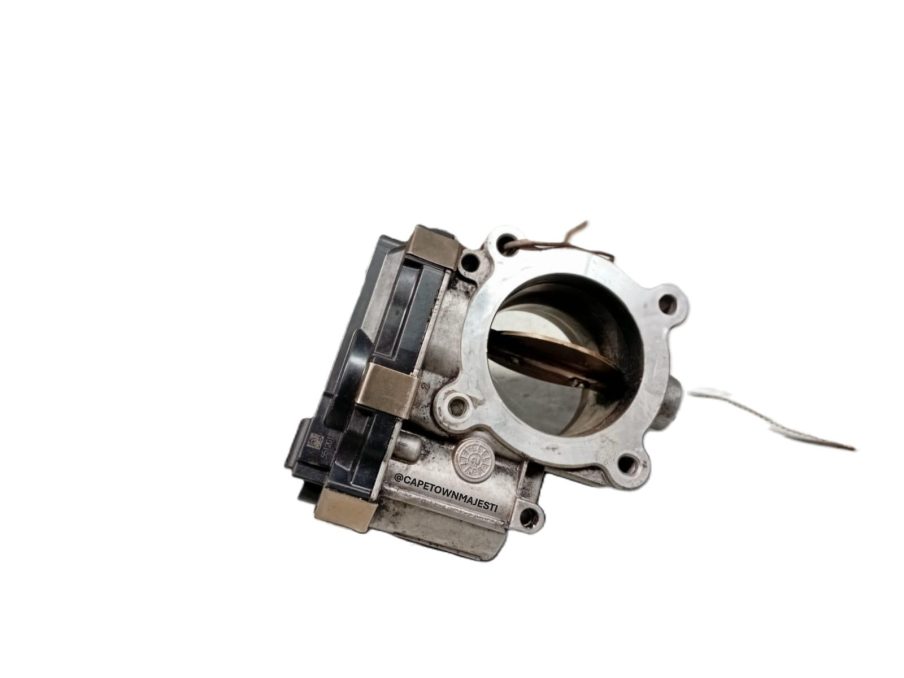
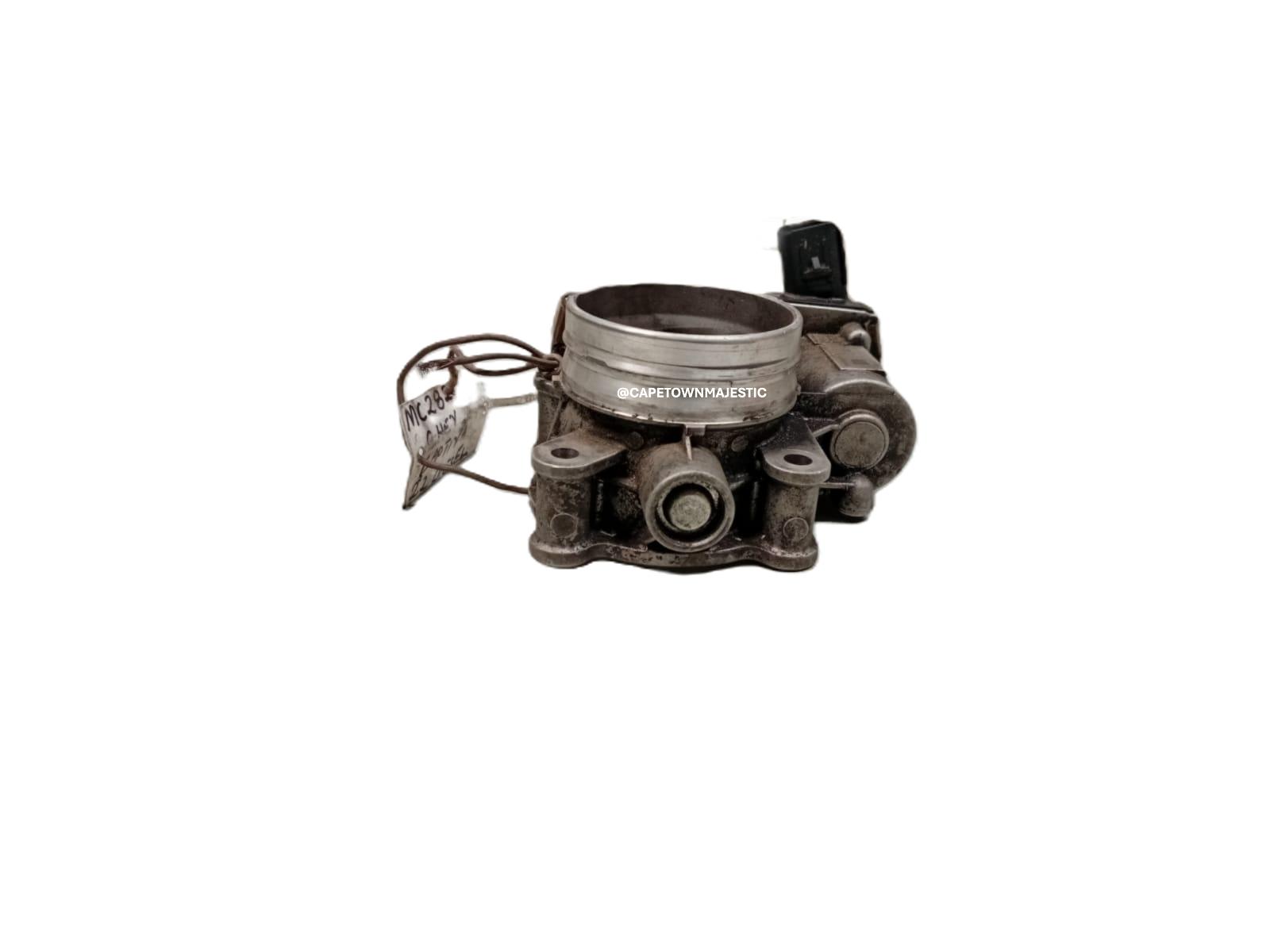
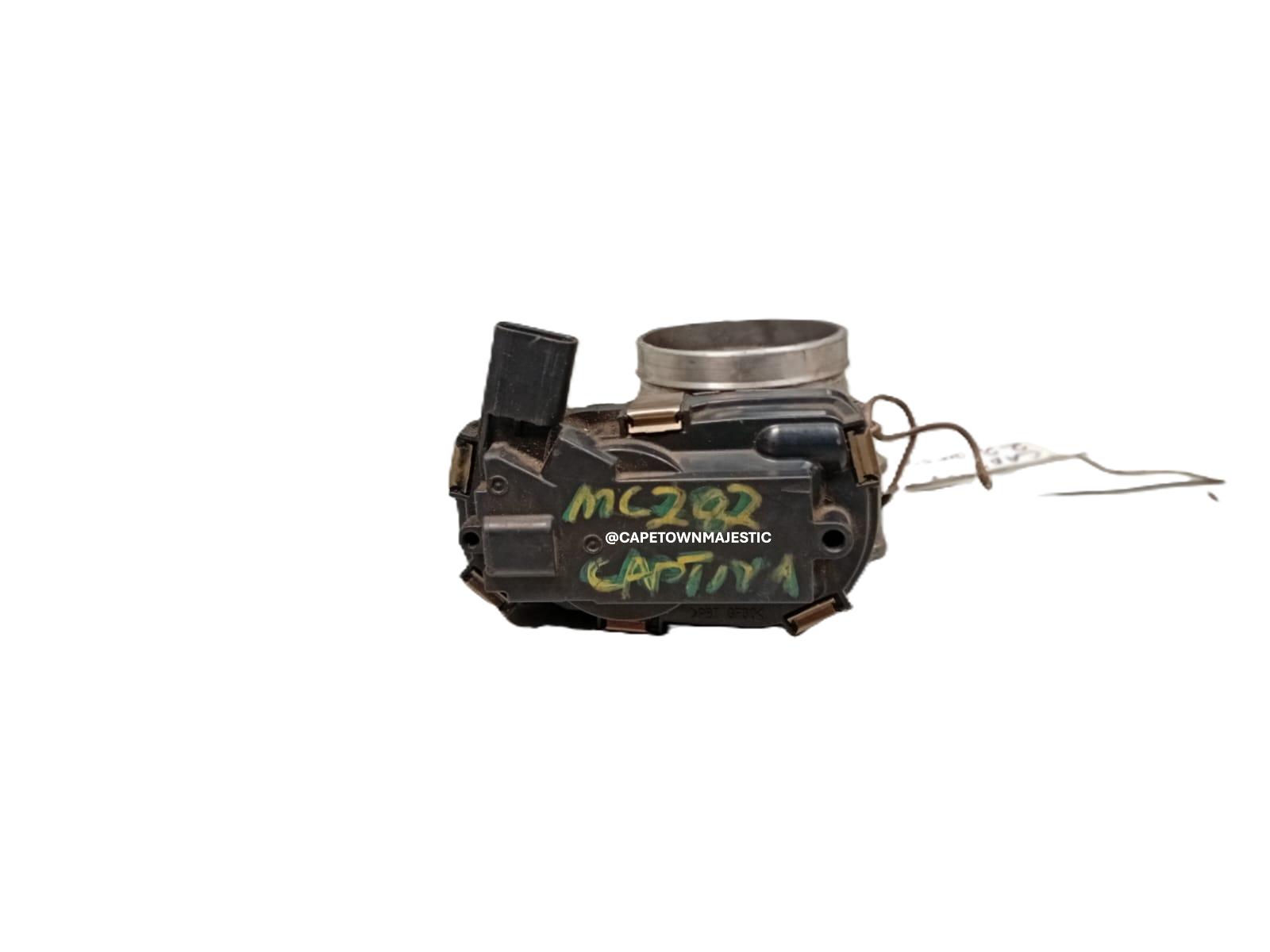
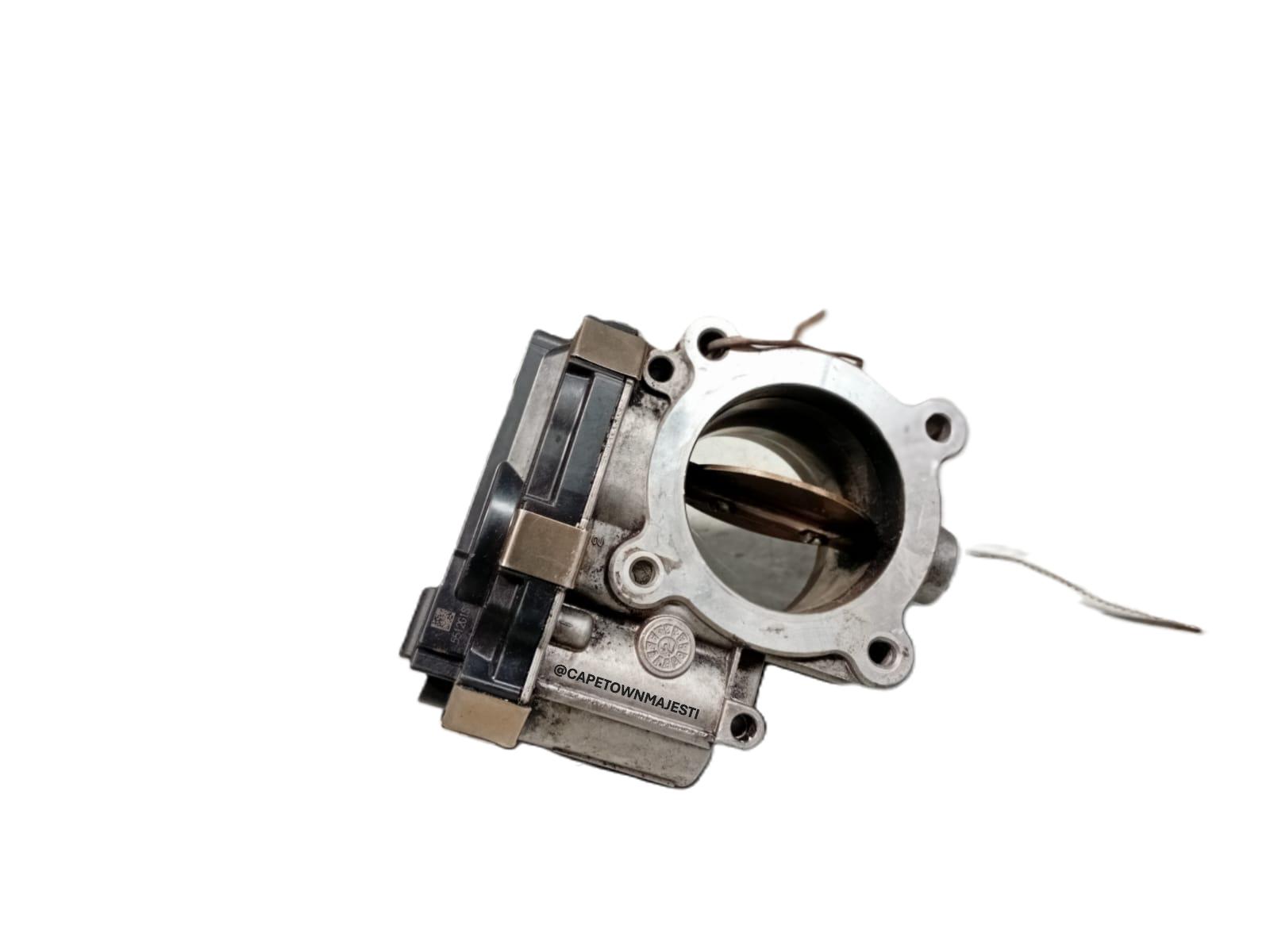
The Chevrolet Captiva throttle body is a vital air-intake control component responsible for regulating the amount of air entering the engine. It works together with the accelerator pedal and engine control unit (ECU) to maintain the correct air-fuel mixture for combustion. A properly operating throttle body ensures smooth acceleration, stable idling, improved fuel efficiency, and reliable engine response. This unit is manufactured to meet OEM standards, making it an ideal replacement for worn, sticking, or malfunctioning throttle bodies commonly found in high-mileage vehicles.
Function and Operation
The throttle body manages airflow using an internal butterfly valve that opens and closes based on accelerator input. When the accelerator pedal is pressed, the electronic throttle actuator motor opens the valve, allowing more air into the intake manifold. The ECU then calculates and injects the correct fuel quantity to match the incoming air. This electronic throttle control system provides more precise engine management compared to older cable-operated systems, resulting in smoother driving performance and better emissions control.
Build Quality and Construction
The throttle body features a strong aluminum alloy housing built to withstand engine heat and vibration. It includes an integrated throttle position sensor (TPS) and actuator motor to provide accurate readings and fast response. The precision-machined butterfly plate forms a tight seal when closed, preventing uncontrolled airflow that can cause rough idling or engine fluctuation. Sealed electronic components protect against dust, moisture, and carbon contamination, which are common causes of premature failure.
Compatibility
This throttle body is suitable for various Chevrolet Captiva petrol engine models, depending on engine size and model year. It is designed as a direct-fit replacement, meaning the mounting points, electrical connectors, and intake alignment correspond with the original factory unit. Installation can be completed without modifications when fitted by a qualified technician.
Common Fault Symptoms
A defective throttle body may lead to rough idle, stalling, delayed acceleration, loss of power, increased fuel consumption, or the vehicle entering limp mode. The check engine light may also illuminate due to throttle position or airflow sensor faults. Replacing the throttle body restores proper air control and correct engine performance.
Installation and Maintenance
Before installation, it is recommended to inspect and clean the intake system and ensure the wiring connectors are in good condition. After fitting, a throttle relearn or ECU calibration procedure may be required using diagnostic equipment so the computer can correctly adapt to the new airflow readings. Regular air filter replacement and intake cleaning help extend the service life of the throttle body.
Performance Benefits
A new Chevrolet Captiva throttle body improves throttle response, stabilizes idle speed, and restores lost engine power. It also helps reduce fuel consumption and exhaust emissions. Drivers will experience smoother acceleration, improved responsiveness, and consistent performance in both city and highway driving conditions.
Conclusion
The Chevrolet Captiva throttle body plays an essential role in overall engine management and drivability. Replacing a worn or faulty unit restores factory performance, increases reliability, and prevents additional engine strain caused by incorrect air-fuel ratios. This high-quality replacement component provides dependable operation and long-term efficiency for maintaining the performance of your vehicle.