



Overview
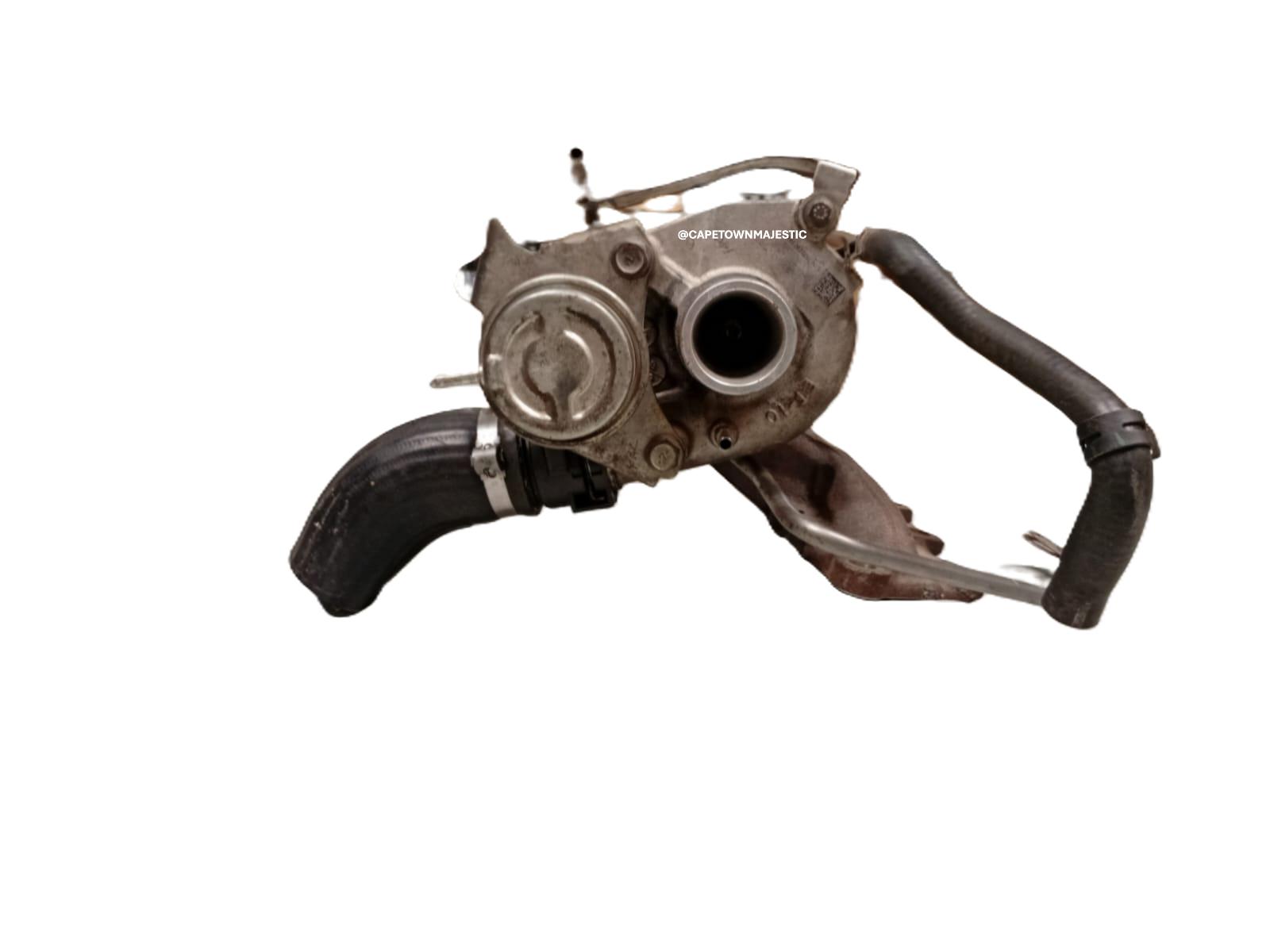
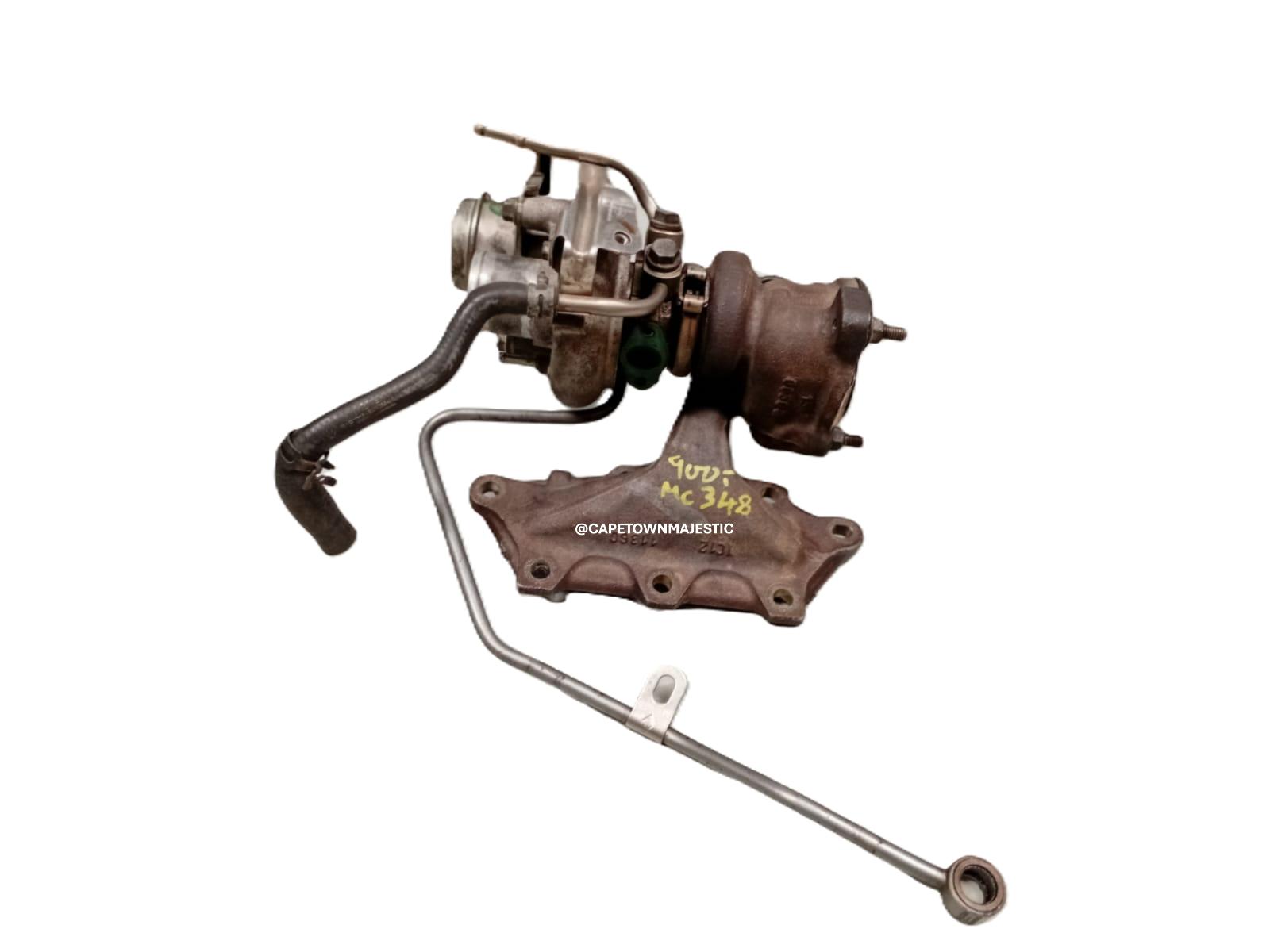
The Renault Clio 4 turbocharger is a high-performance forced-induction component designed to improve engine efficiency, acceleration, and overall driving responsiveness. Fitted to the turbocharged variants of the Clio IV range, this unit uses exhaust gases to spin a turbine which compresses incoming air before it enters the engine. By increasing the volume and pressure of the air entering the combustion chamber, the engine is able to burn fuel more effectively, resulting in stronger power delivery without significantly increasing fuel consumption. It is an essential part of the modern downsized Renault engine system, allowing smaller engines to produce the performance of larger motors.
Function and Performance Benefits
The turbocharger plays a major role in enhancing engine output. As exhaust gases pass through the turbine housing, the turbine wheel rotates at extremely high speeds, often exceeding 150,000 RPM. This movement drives the compressor wheel, which forces more oxygen-rich air into the intake manifold. The result is improved throttle response, better torque at low revs, and smoother acceleration during overtaking or uphill driving. Drivers will notice quicker spool-up and improved fuel economy compared to a naturally aspirated engine. The turbo also helps reduce emissions because fuel combustion becomes more efficient.
Build Quality and Design
Manufactured from heat-resistant alloys and precision-balanced internal components, the Renault Clio 4 turbocharger is built to withstand very high temperatures and pressure conditions. The turbine housing is engineered to handle constant exposure to hot exhaust gases, while the compressor housing is optimized for efficient airflow. Internally, the shaft rides on high-quality bearings lubricated by engine oil, ensuring reduced friction and longer service life. Proper lubrication and cooling are critical, which is why regular oil changes are strongly recommended to protect the turbo system.
Compatibility
This turbocharger is suitable for Renault Clio IV models equipped with factory turbocharged petrol engines, especially the smaller capacity TCe engines. It is designed as a direct replacement unit, meaning it mounts onto the original manifold and connects to the factory intercooler and intake piping without major modifications. This makes installation straightforward for professional mechanics and workshops.
Signs of a Faulty Turbocharger
A worn or failing turbocharger can cause noticeable performance issues. Common symptoms include loss of power, excessive exhaust smoke (especially blue or black smoke), whining or siren-like noises during acceleration, increased oil consumption, and engine warning lights. In severe cases, oil leaks may be visible around the intake pipes or intercooler system. Replacing a faulty turbocharger promptly helps prevent engine damage and restores proper vehicle performance.
Installation and Maintenance
Professional installation is recommended to ensure correct oil supply, sealing, and alignment. When replacing the turbocharger, it is also advisable to change the engine oil, oil filter, and air filter. Cleaning or flushing the oil feed and return lines helps prevent contamination from entering the new turbo. Allowing the engine to idle briefly before switching it off after long drives helps cool the turbo and extends its lifespan.
Conclusion
The Renault Clio 4 turbocharger is a vital performance and efficiency component that keeps the vehicle responsive, economical, and enjoyable to drive. With proper maintenance and correct installation, it provides reliable boost pressure, improved fuel combustion, and long service life. Replacing a worn unit with a quality turbocharger restores factory performance and ensures the engine operates smoothly and safely.