

Introduction
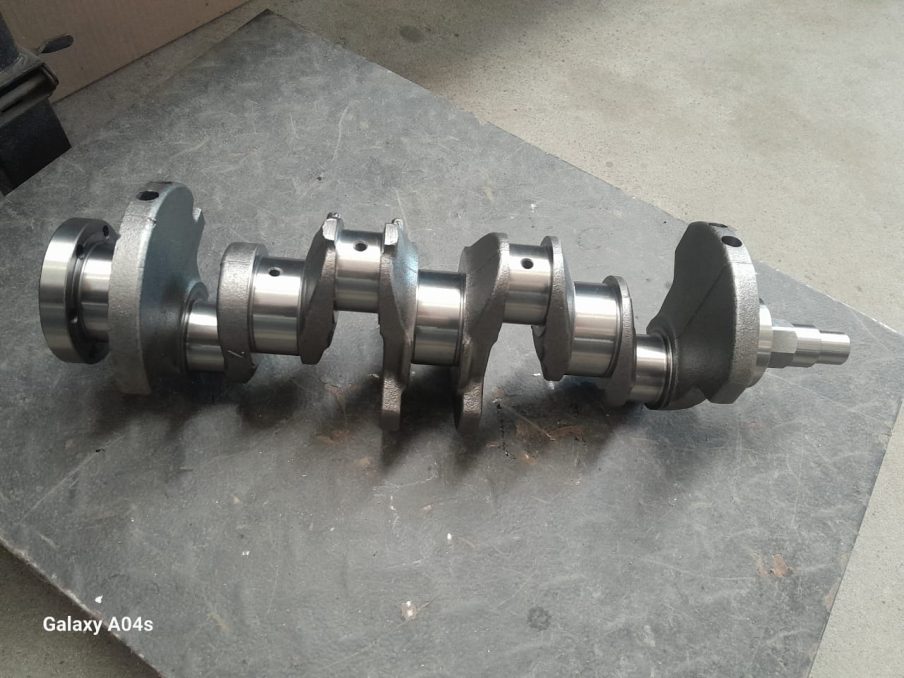
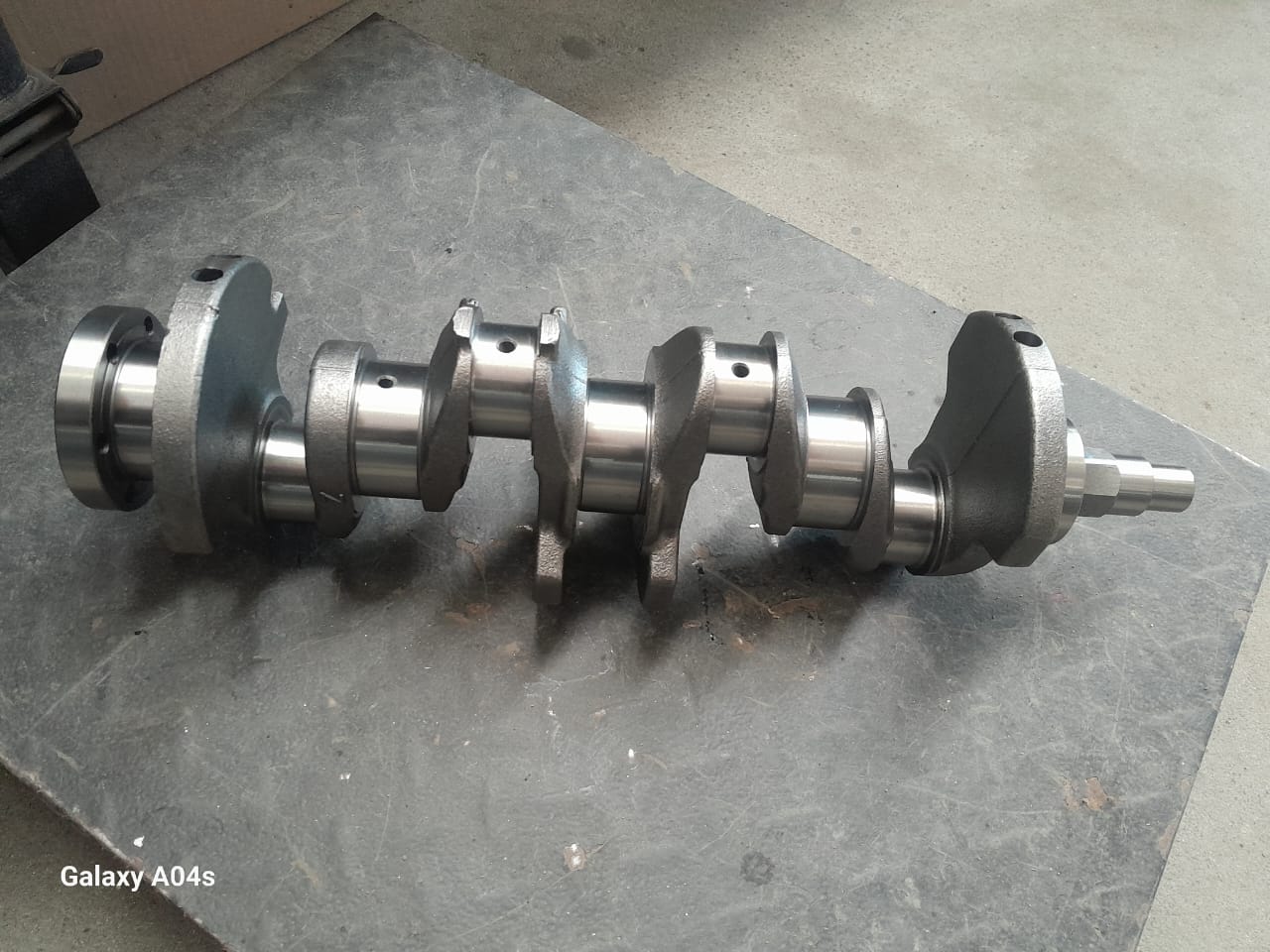
The Opel Corsa Gamma 1.4L 6W crankshaft is a vital internal engine component responsible for converting the reciprocating movement of the pistons into the rotational movement required to drive the vehicle. As one of the main components within the engine’s lower assembly, the crankshaft operates continuously under considerable mechanical stress. Its condition therefore has a direct influence on engine performance, smoothness, reliability, and overall durability.
Purpose of the Crankshaft
The primary function of the crankshaft is to transform the up-and-down movement of the pistons into rotational motion. The pistons are connected to the crankshaft through connecting rods, while the crankshaft rotates inside the engine block on its main bearings. This rotation is ultimately transferred through the drivetrain to the transmission and wheels.
A correctly manufactured and balanced crankshaft helps the engine operate smoothly while maintaining the correct relationship between piston movement and engine rotation.
Construction and Design
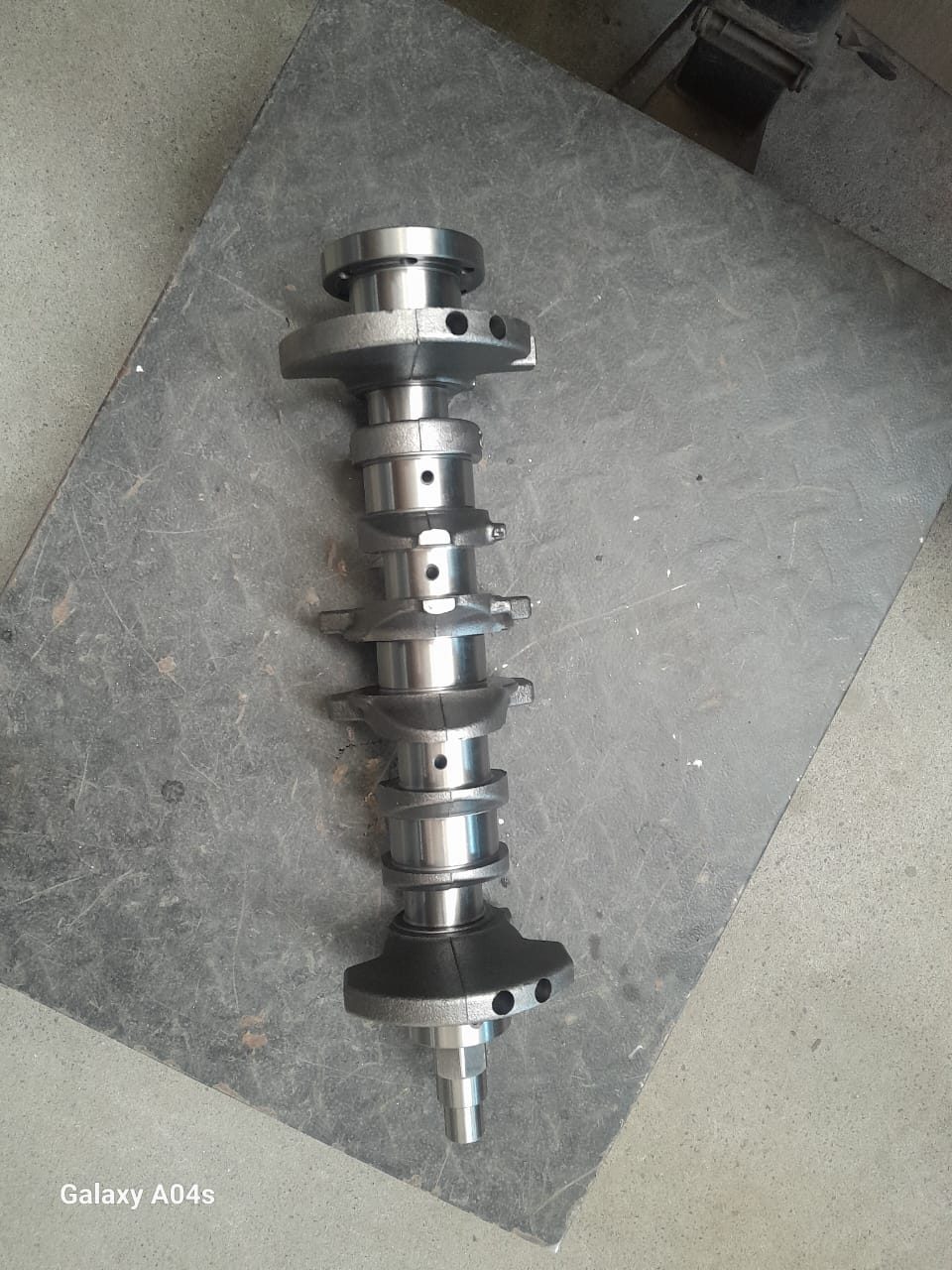
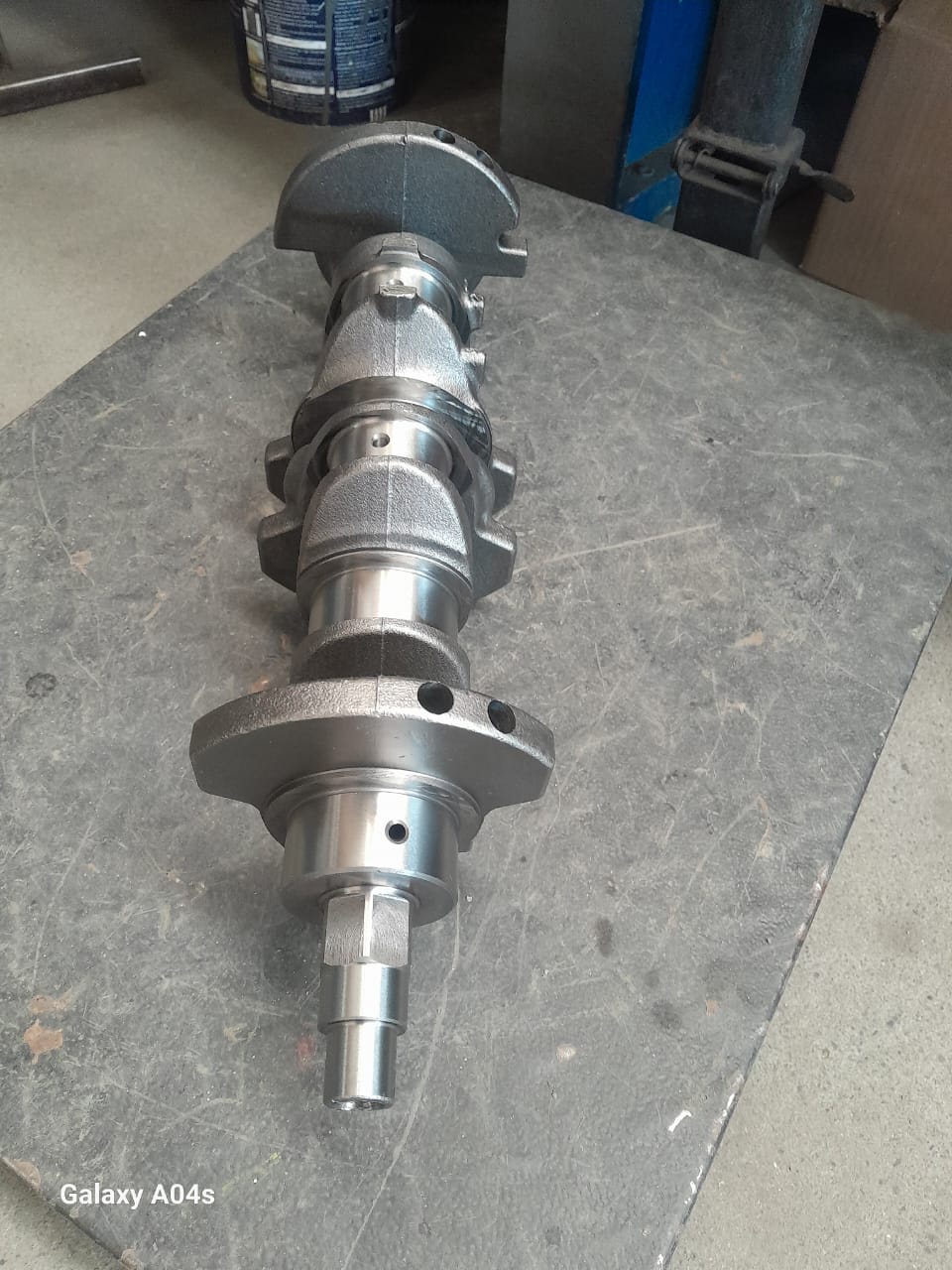
The crankshaft is manufactured from strong, durable material designed to withstand repeated loads and high operating speeds. It incorporates several important sections, including main journals, connecting-rod journals, crank webs, and counterweights. These components work together to maintain balance and support the rotating assembly.
The journals are precision-machined surfaces that run inside engine bearings. Proper lubrication between these surfaces is essential because insufficient oil supply can result in excessive friction, overheating, scoring, or premature crankshaft damage.
Importance of Proper Crankshaft Condition
A crankshaft in good condition contributes to consistent engine operation. Damage such as worn journals, cracks, excessive scoring, distortion, or incorrect dimensions can cause serious engine problems. Symptoms may include knocking noises, vibration, low oil pressure, poor engine performance, or abnormal bearing wear.
For this reason, a crankshaft should be carefully inspected whenever an engine is rebuilt or when significant bottom-end damage is suspected.
Inspection and Measurement
Before installing an Opel Corsa Gamma 1.4L 6W crankshaft, it is important to inspect the journals and bearing surfaces for signs of wear or damage. Measurements should be compared with the applicable manufacturer specifications. This helps determine whether the crankshaft can be reused, requires machining, or should be replaced.
The crankshaft should also be checked for straightness and signs of cracking. Bearing clearances must be correctly established during engine assembly to ensure adequate oil circulation and prevent excessive movement.
Installation Considerations
Correct installation is essential for reliable engine operation. The crankshaft, main bearings, thrust components, and related parts should be clean and free from contamination before assembly. Appropriate assembly lubricant should be used on relevant bearing surfaces, and all fasteners should be tightened according to the correct manufacturer procedures and specifications.
Why Choose the Correct Replacement
Selecting the correct crankshaft is particularly important because engine components can vary according to engine code, production year, specification, and application. Before purchasing an Opel Corsa Gamma 1.4L 6W crankshaft, the engine identification and component specifications should therefore be verified.
Conclusion
The Opel Corsa Gamma 1.4L 6W crankshaft plays a fundamental role in converting piston movement into usable rotational power. Its precision, strength, balance, and correct installation are essential to dependable engine performance. Careful inspection, accurate measurement, proper lubrication, and adherence to the appropriate engine specifications can help ensure a successful repair or rebuild and extend the service life of the engine.