

Overview
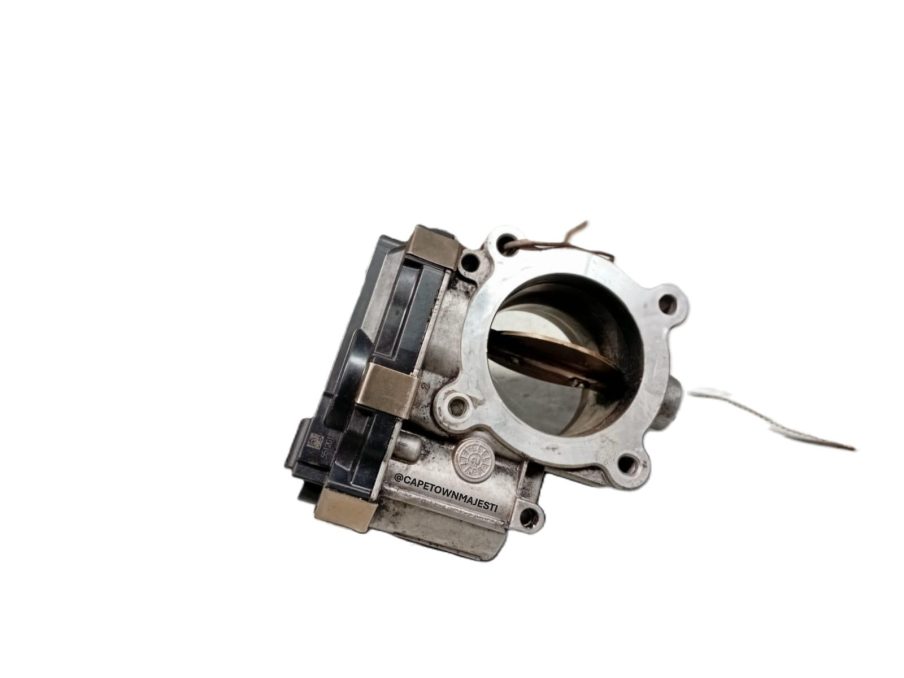
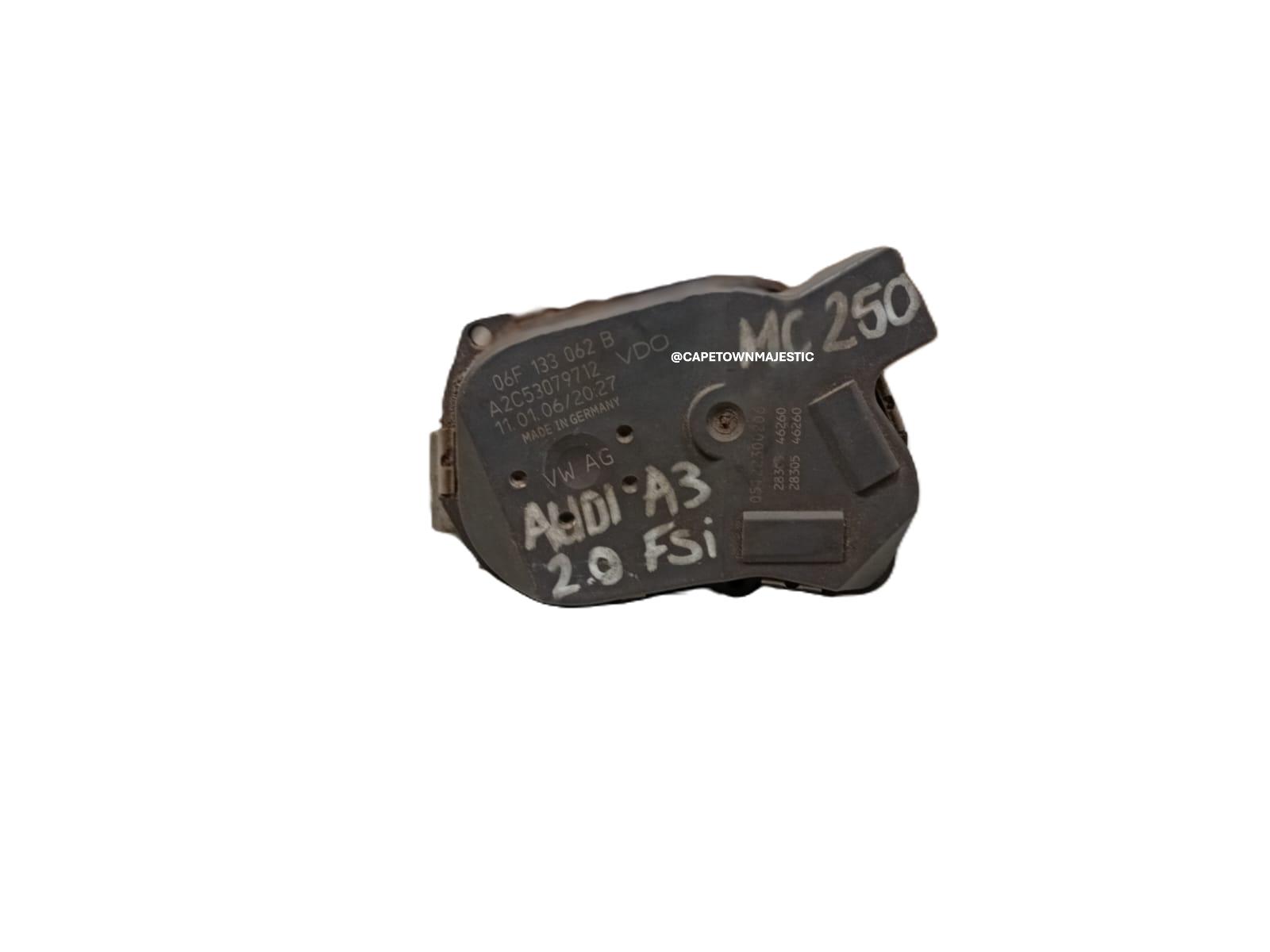
The Audi A1 2.0L FSI throttle body is an essential engine air-intake component designed to precisely regulate the airflow entering the engine. It operates together with the accelerator pedal and the vehicle’s engine control unit (ECU) to maintain the correct air-fuel mixture required for combustion. A properly functioning throttle body allows the engine to respond instantly to throttle input, ensuring smooth acceleration, stable idling, and efficient fuel consumption. This unit is manufactured according to OEM standards and serves as a dependable replacement for worn, sticking, or electronically faulty throttle bodies.
Function and Operation
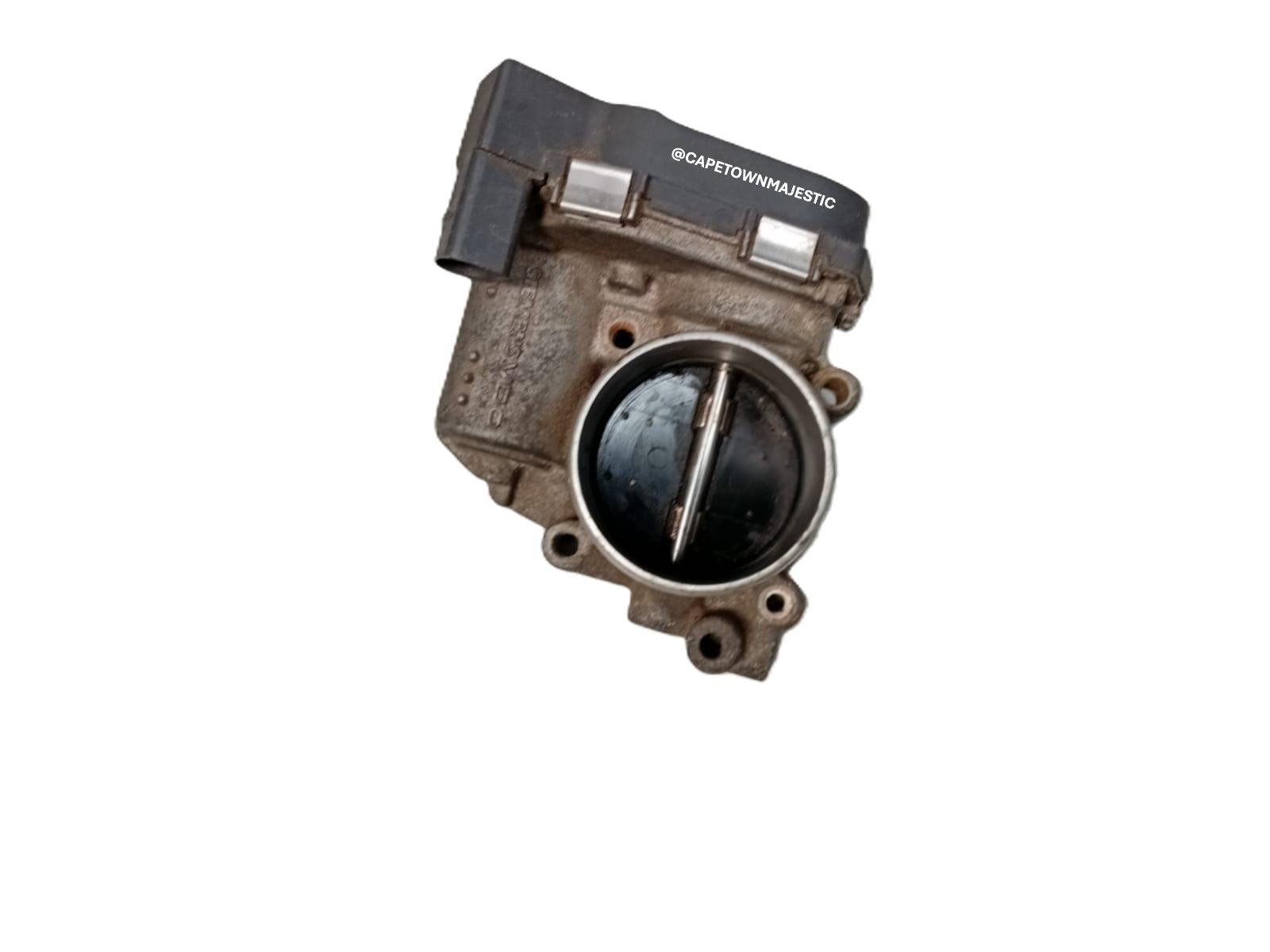
The throttle body controls airflow through a precision butterfly valve mounted inside the housing. When the accelerator pedal is pressed, the electronic throttle actuator motor opens the valve to allow more air into the intake manifold. Sensors within the unit communicate with the ECU, which calculates and injects the exact fuel amount needed to match the incoming air. Because the Audi A1 FSI engine uses an advanced electronic throttle control system, airflow adjustments occur instantly, providing improved throttle response, optimized power delivery, and reduced emissions.
Build Quality and Construction
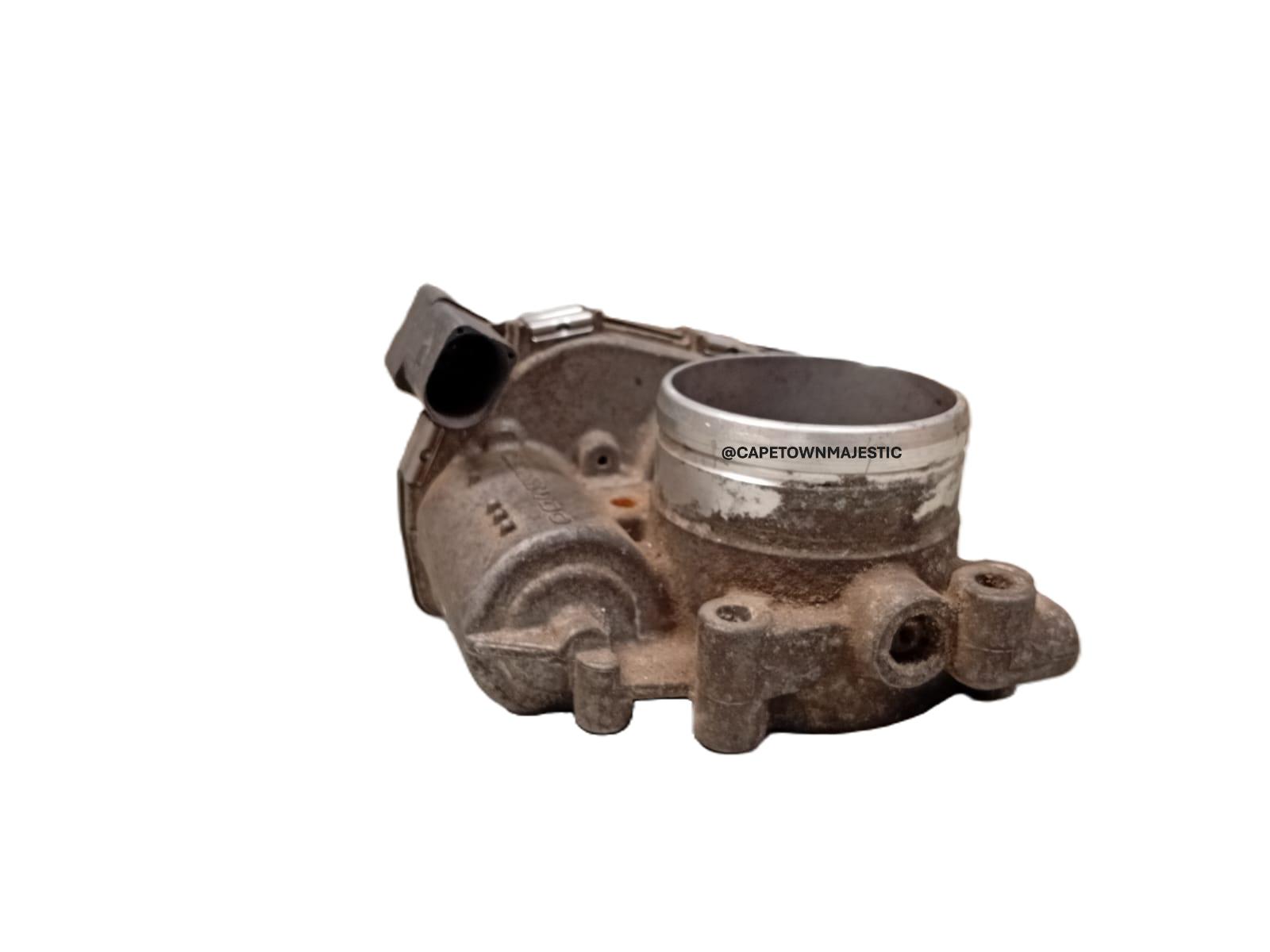
Constructed from high-grade aluminum alloy, the throttle body is designed to withstand high temperatures, vibration, and long-term engine operation. The housing contains a pre-installed throttle position sensor (TPS) and electric actuator motor to ensure accurate readings and rapid response. The butterfly plate is precision-machined to create a tight seal when closed, preventing air leaks that may cause unstable idling. Sealed electronic circuitry protects against moisture, dust, and carbon deposits, increasing durability and reliability.
Compatibility
This throttle body is suitable for Audi A1 models equipped with the 2.0L FSI petrol engine. It is designed as a direct replacement for the original factory unit, matching mounting points, intake alignment, and electrical connectors. The plug-and-play design allows installation without modification when performed by a qualified technician, ensuring correct fitment and operation.
Common Fault Symptoms
A faulty throttle body often leads to noticeable engine performance issues. These may include rough or fluctuating idle, hesitation during acceleration, poor fuel economy, reduced engine power, engine stalling, or the vehicle entering limp mode. The check engine light may also appear due to throttle position sensor or airflow control errors. Replacing the throttle body restores normal airflow regulation and eliminates inconsistent engine behavior.
Installation and Calibration
During installation, it is recommended to inspect the intake manifold and wiring connectors and clean any carbon buildup before fitting the new unit. After installation, the vehicle may require an ECU throttle adaptation or relearn procedure using diagnostic equipment so the computer can recalibrate airflow settings. Proper calibration ensures accurate throttle response and prevents warning lights.
Performance Benefits
Installing a new Audi A1 2.0L FSI throttle body improves engine responsiveness, smooths acceleration, and stabilizes idle speed. It helps optimize fuel consumption and lowers emissions while restoring the vehicle’s original performance characteristics. Drivers will experience quicker pedal response, consistent power delivery, and improved drivability in daily driving conditions.
Conclusion
The Audi A1 2.0L FSI throttle body plays a crucial role in engine management and overall vehicle performance. Replacing a worn or defective unit restores correct air intake control, enhances reliability, and protects the engine from operating under incorrect air-fuel ratios. This high-quality replacement component provides long service life and dependable performance, making it an excellent solution for maintaining the efficiency and drivability of your Audi A1.