

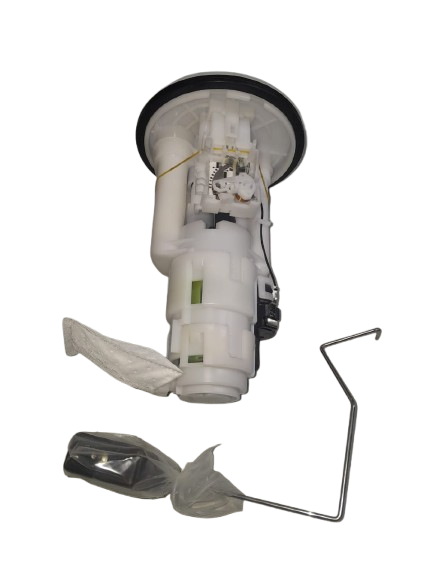


Overview of the Daihatsu Gran Max (Ganmax) 1.5 Fuel Pump
The fuel pump used in the Daihatsu Gran Max 1.5 is a vital component designed to reliably deliver fuel from the tank to the engine at the correct pressure. The Gran Max, known for its practicality in commercial use, relies on this pump to support the 1.5-liter 3SZ-VE engine in both high-load and daily driving conditions. Because the vehicle is often used for transporting goods, passengers, or running long-hour operations, the fuel pump must operate efficiently and consistently to ensure optimal performance and fuel economy.
Function and Importance
The fuel pump’s essential role is to supply pressurized fuel to the engine’s fuel injection system. This pressure allows for precise fuel metering and stable combustion. In the Gran Max 1.5, which uses an electronic fuel injection setup, the pump must maintain a constant pressure to avoid engine hesitation, stalling, or misfires. If the fuel pump is compromised, the ECU cannot regulate fuel delivery accurately, leading to noticeable performance issues such as reduced power during acceleration or difficulty starting the engine. Because of this, a properly functioning fuel pump is crucial for safe and efficient operation.
Construction and Components
The Daihatsu Gran Max 1.5 employs an electric in-tank fuel pump, which is integrated into a complete assembly. This assembly normally includes:
- Electric pump motor
- Fuel filter or strainer
- Fuel level sending unit
- Sealed housing
- Electrical connectors and pressure components
The in-tank design provides natural cooling through fuel immersion and contributes to quieter operation. It also minimizes the chances of vapor lock and supports longer component lifespan.
Common Symptoms of Fuel Pump Problems
Drivers may experience several symptoms when the pump begins to fail, including:
- Hard starting or no start
- Reduced engine power under load
- Stalling during acceleration
- Jerking or hesitation
- Poor fuel efficiency
- Audible whining from the tank
Prompt inspection is recommended when these signs appear.
Maintenance and Replacement Tips
Keeping the fuel tank at least one-quarter full helps cool the pump and prevent premature wear. Additionally, changing the fuel filter at recommended intervals supports better fuel flow. When replacement becomes necessary, using a high-quality OEM or reputable aftermarket fuel pump assembly ensures compatibility, smooth performance, and longer service life.
Conclusion
The fuel pump of the Daihatsu Gran Max 1.5 plays an indispensable role in ensuring reliable engine operation, efficient fuel consumption, and dependable daily performance. Because the Gran Max is widely used for commercial and logistical tasks, maintaining a healthy fuel pump is crucial to avoid unexpected downtime and costly engine issues. Understanding how the pump works, recognizing warning signs early, and following proper maintenance practices will significantly extend the lifespan of both the pump and the vehicle. For anyone relying on a Gran Max 1.5 for business or heavy use, investing in a high-quality fuel pump and timely replacements is not just recommended—it is essential for long-term reliability.