

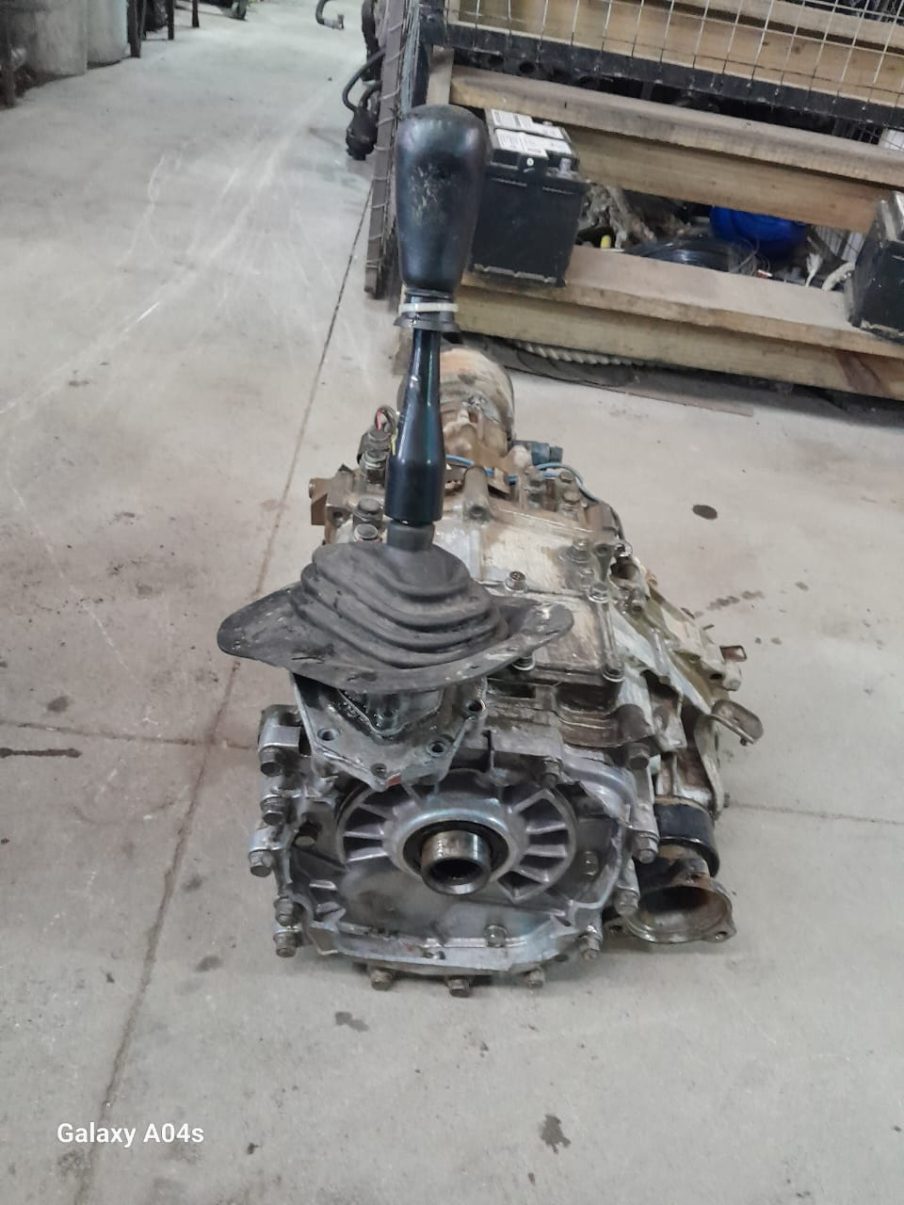
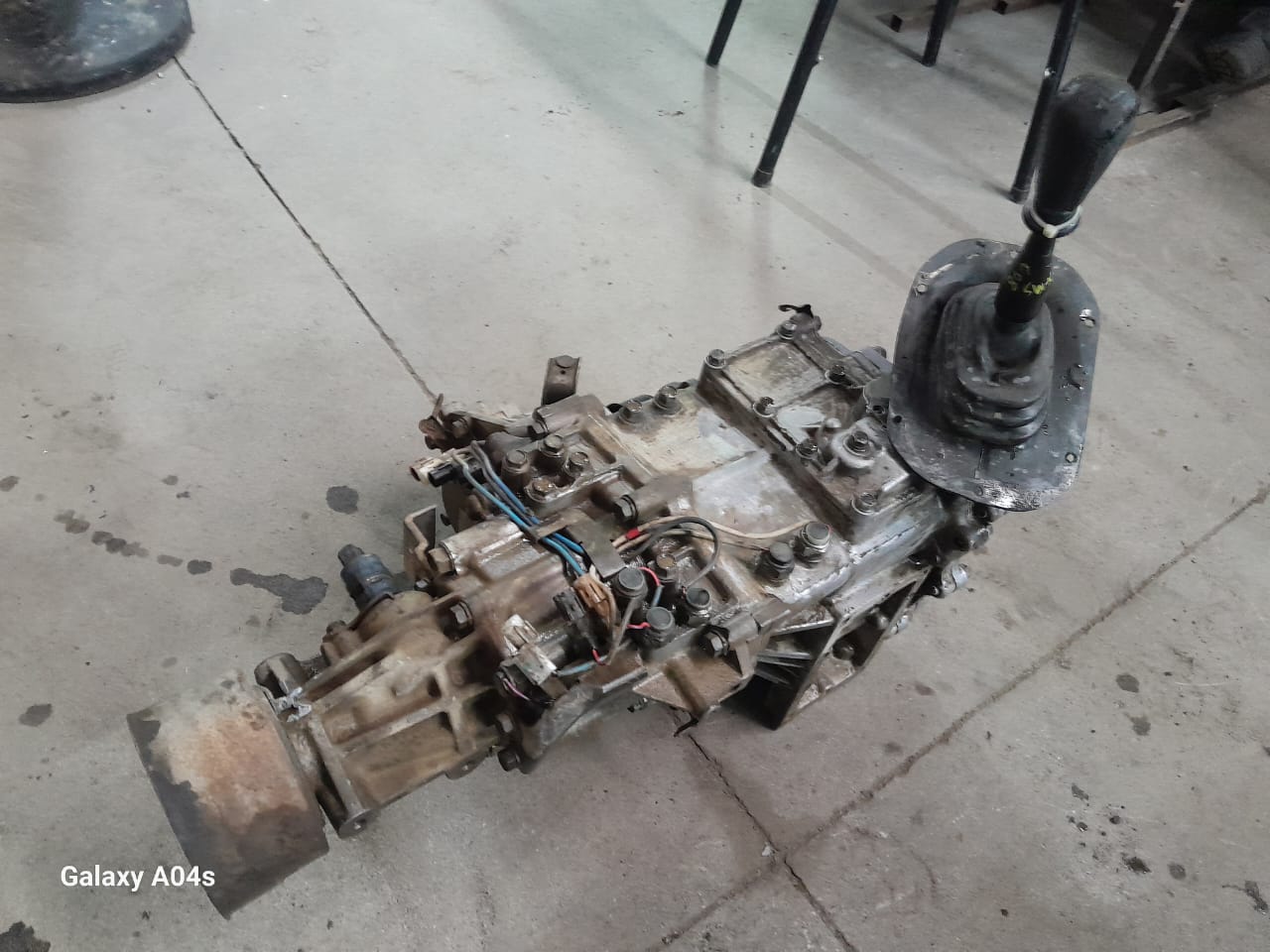
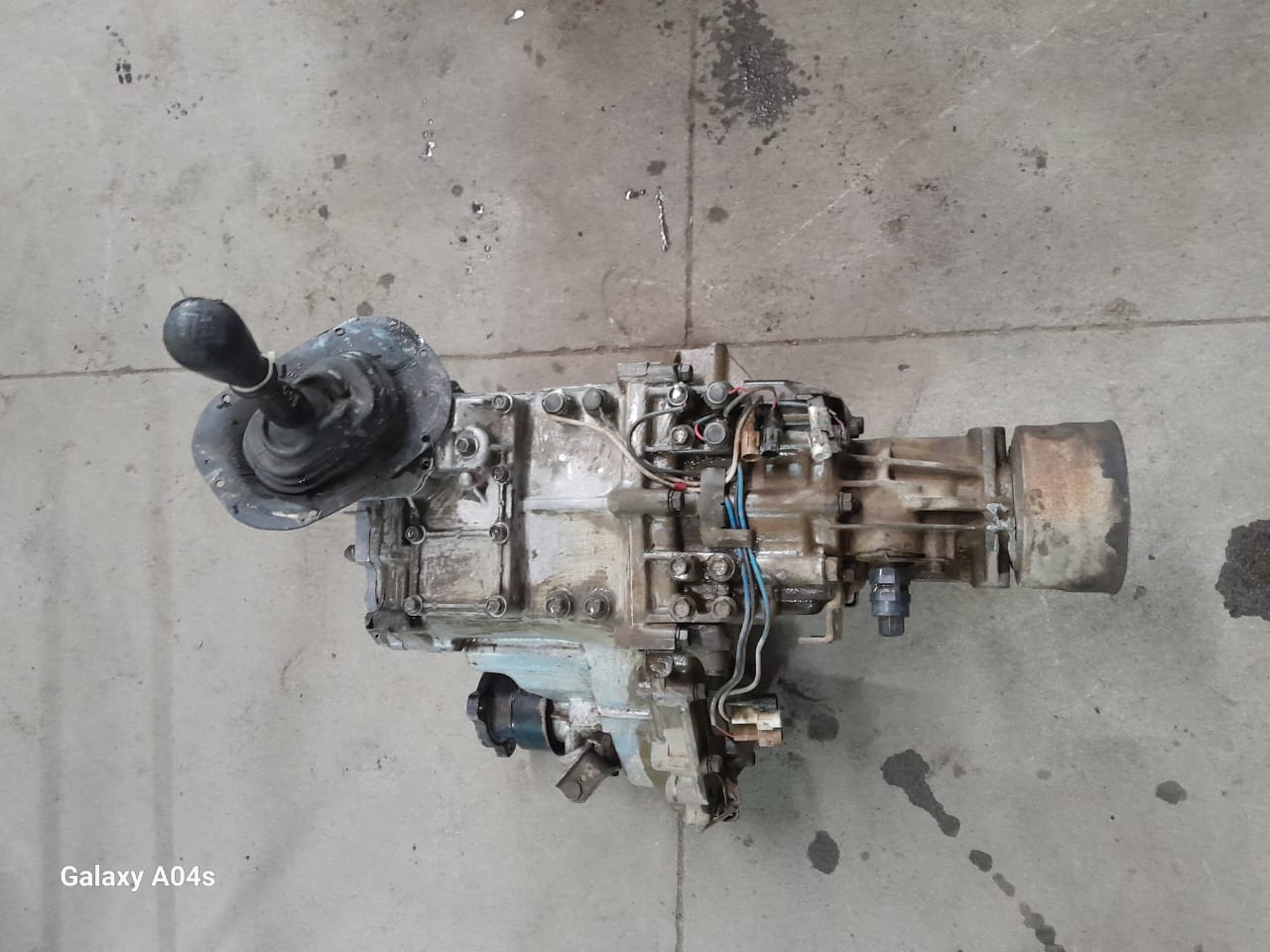
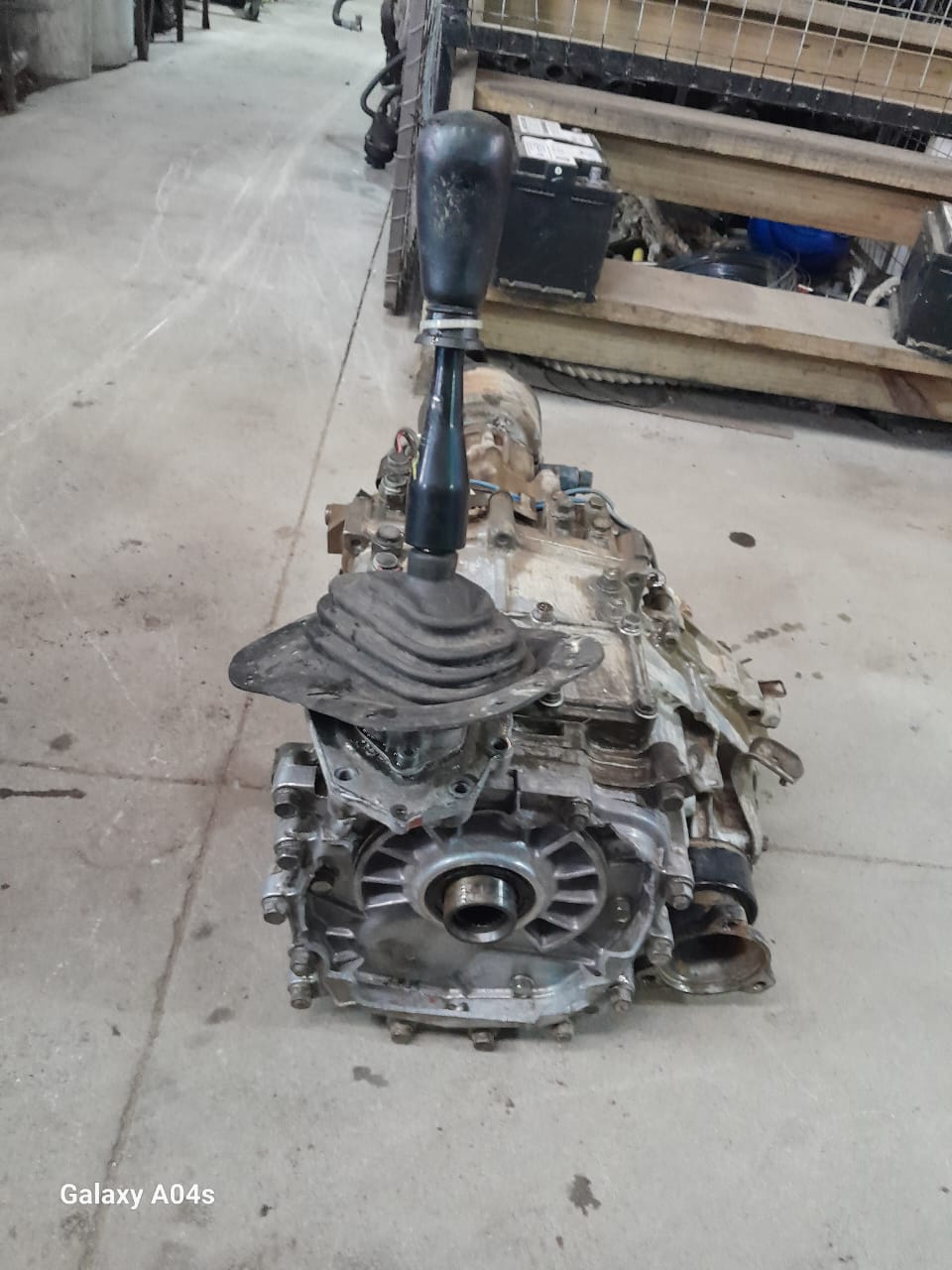
Overview
The Mitsubishi Pajero 3.2L Diesel Auto transfer case is an important component of the vehicle’s four-wheel-drive system. Designed to distribute engine power between the front and rear axles, the transfer case helps the Pajero deliver traction and stability across a wide range of driving conditions. It is particularly valuable when driving on loose surfaces, steep terrain, muddy roads, gravel, sand, or other challenging environments.
Function and Purpose
The primary function of the transfer case is to receive rotational power from the automatic transmission and transfer it to the vehicle’s front and rear drivetrains. Depending on the selected four-wheel-drive mode, it allows the driver to change how power is distributed for different road and terrain conditions. This makes the Mitsubishi Pajero 3.2L Diesel Auto well suited to both everyday road use and off-road applications.
Construction and Design
The transfer case contains a combination of gears, shafts, bearings, seals, and other internal components housed within a durable casing. These components are designed to handle the torque produced by the 3.2-litre diesel engine while maintaining reliable power transfer. The exact configuration can vary depending on the Pajero model year, drivetrain specification, and transmission system, so identification and compatibility should always be confirmed before purchasing a replacement unit.
Four-Wheel-Drive Operation
A correctly functioning transfer case allows the vehicle’s four-wheel-drive system to operate as intended. Selecting the appropriate drivetrain mode can improve traction and vehicle control according to the driving environment. In normal conditions, the system can provide efficient road performance, while four-wheel-drive settings can provide additional traction when conditions become difficult.
Maintenance and Inspection
Regular inspection is important for maintaining transfer-case reliability. The correct lubricant should be used according to the manufacturer’s specifications, and the fluid level should be checked for contamination, deterioration, or leakage. Seals, mounting points, driveshaft connections, and surrounding components should also be inspected during routine servicing.
Common Transfer Case Problems
Possible signs of transfer-case problems include unusual humming, whining, grinding, vibration, difficulty engaging four-wheel-drive modes, fluid leaks, or abnormal noises during acceleration and cornering. These symptoms can also originate from related drivetrain components, so a proper inspection is recommended before replacing the transfer case.
Replacement Considerations
When sourcing a Mitsubishi Pajero 3.2L Diesel Auto transfer case, compatibility is essential. Buyers should verify the vehicle’s model year, engine type, automatic transmission specification, four-wheel-drive system, transfer-case identification or part number, and mounting configuration. Checking these details helps prevent purchasing an incompatible unit.
Quality and Reliability
A good-quality transfer case can provide dependable service when properly installed and maintained. If purchasing a used unit, it is advisable to inspect the housing for cracks or damage and check for excessive shaft play, oil leaks, and signs of internal wear. Where possible, the unit’s condition and compatibility should be confirmed before installation.
Conclusion
The Mitsubishi Pajero 3.2L Diesel Auto transfer case is a key drivetrain component responsible for transferring power to the four-wheel-drive system. Its condition directly affects the vehicle’s traction, drivability, and off-road capability. Proper lubrication, regular inspection, and accurate identification are important when maintaining or replacing the unit. For a replacement, always compare the transfer-case specifications with the vehicle’s exact drivetrain configuration before installation.